The Growing Demand for Skilled CNC Machinists


In today's fast-paced manufacturing landscape, the CNC (Computer Numerical Control) machining industry is experiencing a significant surge in demand for skilled professionals. As technology continues to advance and industries strive for precision, efficiency, and innovation, the importance of well-trained CNC machinists has become indispensable. In this article, we'll explore the reasons behind this growth, the skills required, and the opportunities it presents for both job seekers and employers.
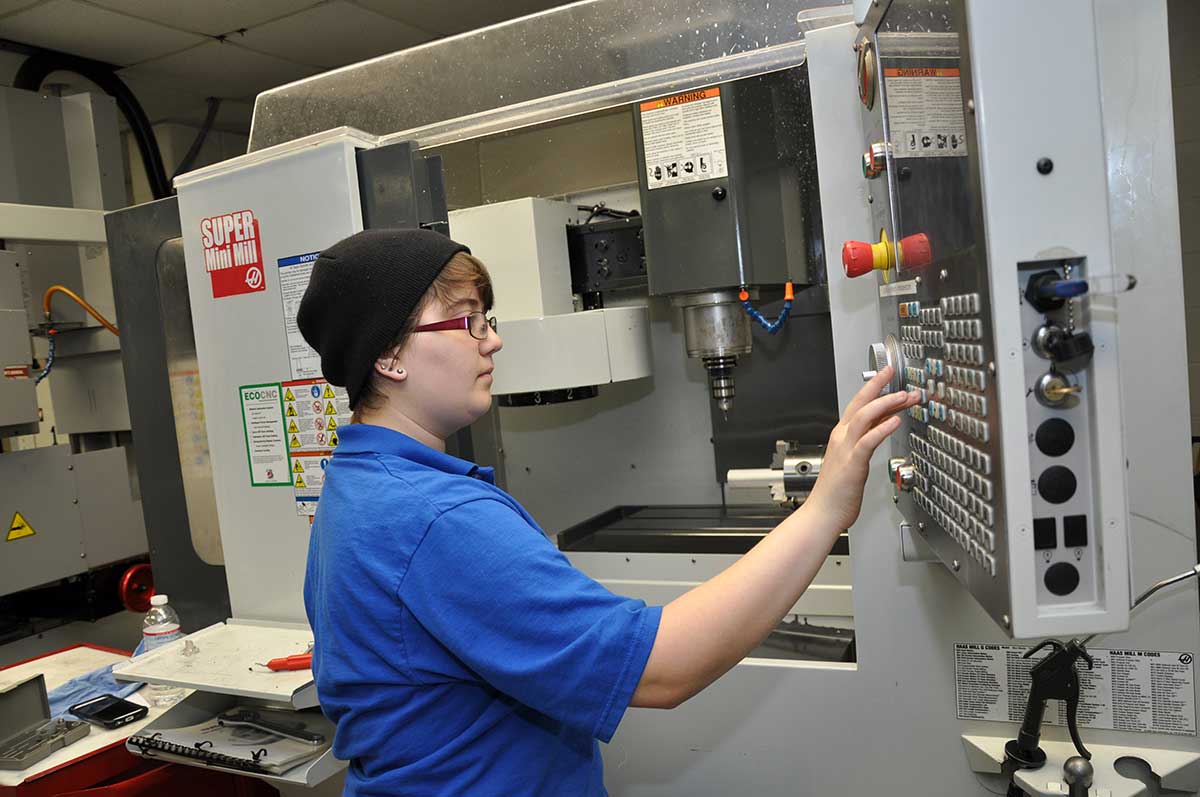
1. more info here have evolved from simple tools to sophisticated, high-tech workhorses. They enable manufacturers to create intricate parts with unparalleled accuracy and consistency, thanks to computer-aided design (CAD) software and advanced programming languages. This digital transformation has led to an increased reliance on skilled operators who can interpret complex designs, adapt to new software, and troubleshoot issues effectively.
1. Industry Growth and Specialization
From aerospace to automotive, the aerospace, automotive, and medical device industries are all investing heavily in CNC machinery. The need for specialized components in these sectors has driven the demand for skilled CNC machinists who can handle complex projects and meet strict quality standards. As a result, companies are looking to hire experts with a diverse skill set and knowledge of their specific industry requirements.
1. Skills in High Demand
To succeed in the CNC machining field, job seekers must possess a combination of technical expertise and practical experience. Some essential skills include:
* Proficiency in CAD/CAM software like SolidWorks, AutoCAD, or MasterCAM
* Understanding of G-code programming and machine operation
* Mastery of CNC machine tools and their capabilities
* Attention to detail and ability to maintain precision
* Problem-solving and troubleshooting abilities
* Safety protocols and adherence to industry standards
1. Career Advancement Opportunities
A career in CNC machining offers ample room for growth and development. As operators gain experience, they can progress into roles such as CNC programmer, CNC supervisor, or even engineering positions. Many companies invest in training programs to upskill their employees, creating a pipeline of knowledgeable professionals ready to take on new challenges.
1. Job Market Outlook
The Bureau of Labor Statistics predicts strong job growth for machinists, including CNC machinists, over the next decade. With a projected increase of 4% from 2020 to 2030, the demand for skilled workers in this field is expected to remain robust. This means that not only are there plenty of job openings, but also a promising future for those who choose to pursue a career in CNC machining.
1. Investing in Your Future
For those interested in entering this field, pursuing formal education or vocational training can be highly beneficial. Community colleges, technical schools, and online courses offer programs that teach the necessary skills and certifications, such as CNC operator licenses or National Institute of Technology (NIT) certifications. Networking with industry professionals and attending trade shows can also help you stay informed about the latest trends and job openings.
In conclusion, the growing demand for skilled CNC machinists is a testament to the critical role these professionals play in modern manufacturing. By acquiring the right skills and staying adaptable, individuals can tap into a rewarding career with excellent job prospects and opportunities for growth. As industries continue to innovate and rely on advanced technology, the importance of skilled CNC operators will only continue to rise.